

What to Expect During Professional Tree Removal Services
In this article, we'll explore what homeowners can expect during a professional tree removal service, from the initial assessment to the final cleanup. Understanding the process can help make your experience smoother and more predictable. Professional tree services are often essential for safety and property management, making it crucial to grasp the complete process. This article will guide you through each step, ensuring clarity and peace of mind. By preparing accordingly, the removal process becomes not only an obligation but an insightful journey.
Initial Consultation and Assessment
The first step in professional tree removal is understanding the needs and objectives of the client. The expert will discuss the goals for tree removal, whether it's for safety, aesthetics, or other purposes. Evaluating the impact on the property and adjacent areas is crucial to avoid unintended consequences. Clients often have specific expectations concerning garden integrity or surrounding vegetation, and these are carefully noted. Developing a mutual understanding ensures that both parties are aligned with the expected outcomes.
A detailed assessment of the tree and its surrounding environment forms the core of the site evaluation. This involves identifying any potential challenges, such as proximity to buildings or power lines. Evaluators may also consider soil conditions and tree species, as these can influence the removal strategy. At times, additional experts, such as arborists, provide insights on tree health and potential hazards. A comprehensive site evaluation lays the groundwork for a strategic and informed tree removal plan.
Once goals and safety measures are set, a tailored tree removal plan is developed. This strategic approach takes into account all assessed factors, guiding the process from start to finish. Experts consider the safest and most efficient methods, using their proficiency to navigate complex sites. Coordination with clients ensures transparency and understanding of the procedures involved. Drafting a coherent plan is crucial as it minimizes surprises during execution, promoting an effective operation.
Preparation and Permitting
Before commencement, it's vital to determine if any permits are required by local authorities. Regulations can vary widely, impacting the timeline and approach of the tree services. Professionals assist homeowners in navigating these bureaucratic requirements, ensuring compliance. Acquiring necessary permits in advance prevents delays and legal complications. Understanding these local regulations is pivotal in safeguarding your investment and expediting the removal process.
Once permits are secured, the focus shifts to pre-removal planning. This involves scheduling the removal at times that minimize disruptions for clients and neighbors. Logistical arrangements include mapping out the procedure in harmony with weather forecasts and road access constraints. This phase of planning ensures that all elements are coordinated, paving the way for a seamless execution. Through meticulous preparation, potential conflicts and inefficiencies are significantly reduced.
Preparing the site involves several key steps aimed at ensuring a safe and effective operation. Clearing the area of debris, notifying neighbors, and marking off restricted zones are standard practices. This preliminary work considers the safety and convenience of both clients and workers. Preparing the site properly ensures that the removal process is not only swift but also adheres to necessary safety protocols. It reflects a commitment to creating a safe environment while maintaining respect for adjacent properties.
Selecting and preparing the right tools and machinery is crucial for the success of tree services. From chainsaws to ropes and cranes, the equipment must be appropriate for the specific task. Proper setup and testing of machinery ensure operational effectiveness and safety. Professionals conduct pre-operation checks to minimize mechanical failures during the procedure. Having the right equipment prepared avoids unnecessary delays and promotes a fluid and efficient removal process.
The Tree Removal Process
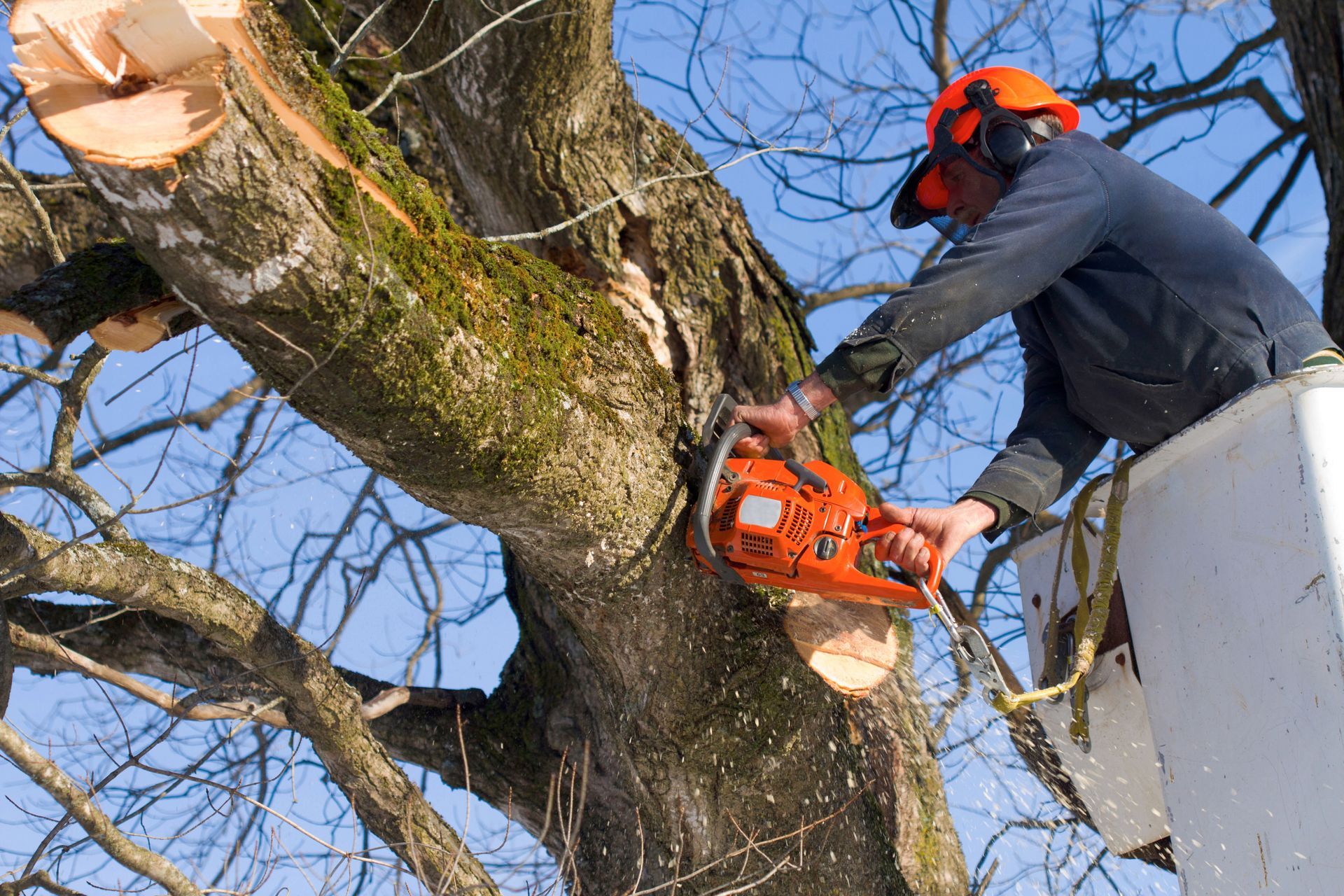
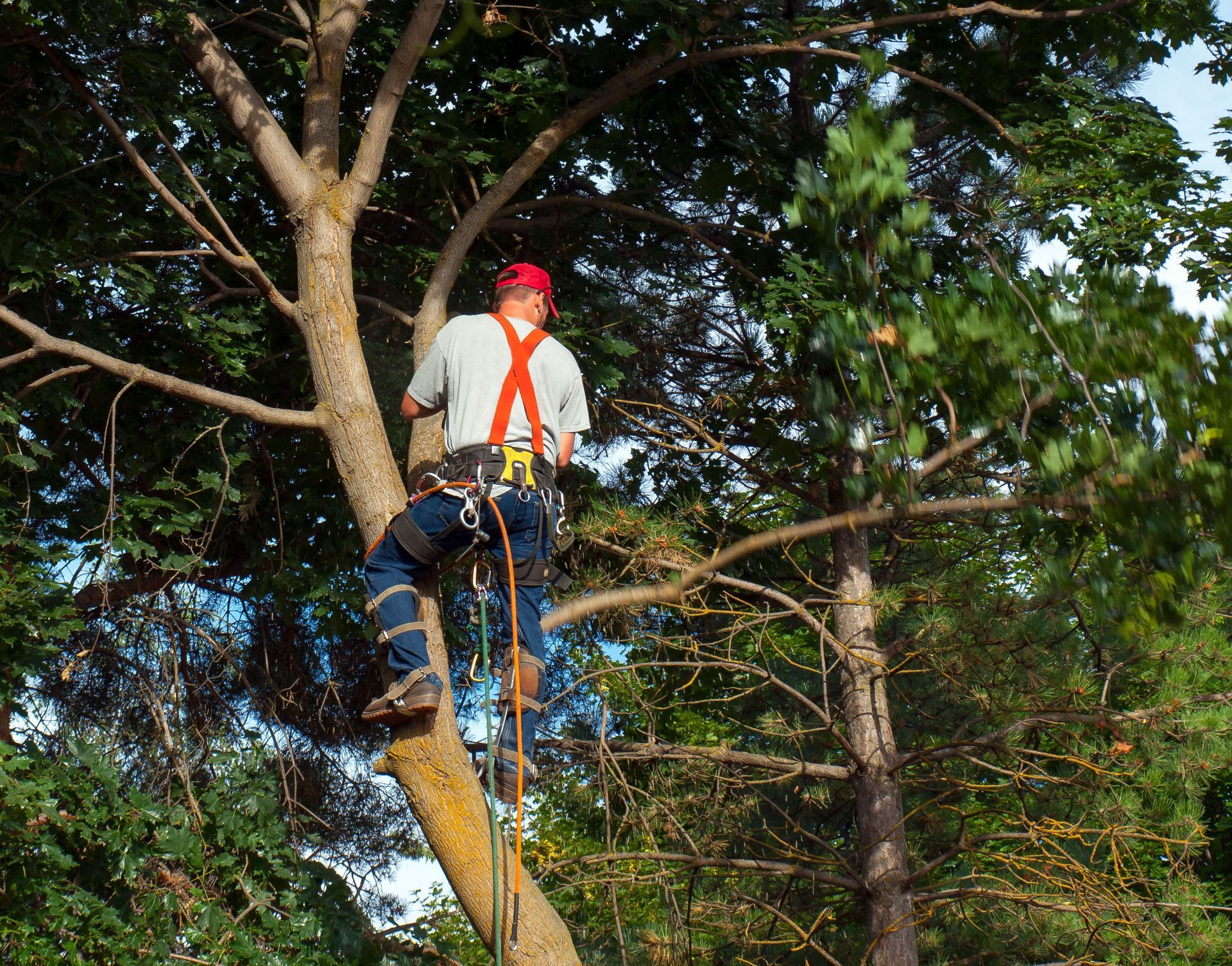
The tree services process begins with the methodical removal of tree limbs to maintain tree stability. This involves cutting limbs in stages to prevent swaying and ensure each portion is safely managed. Experts use controlled techniques to lower limbs gradually, minimizing risk to nearby structures. Patience and precision are key, as limb removal lays the groundwork for easier trunk access. This phase is critical in managing the weight and balance of the tree, safeguarding both the crew and the surrounding area.
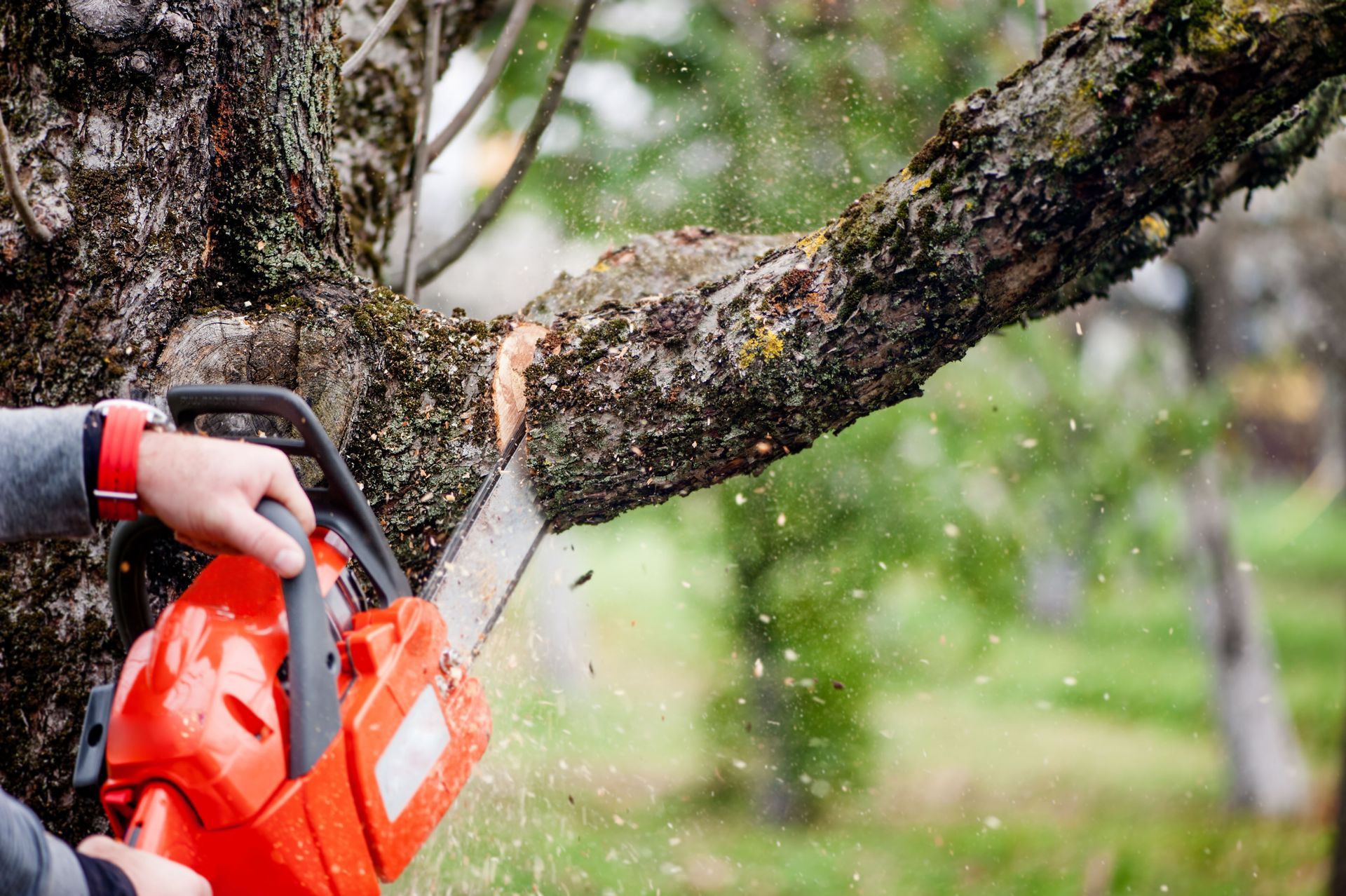
With limbs safely removed, focus turns to the trunk cutting phase. This stage involves segmenting the trunk into manageable sections to facilitate removal and disposal. Techniques vary depending on the site's complexity, often involving careful planning and coordination. Personnel utilize specialized tools to ensure cuts are clean and controlled, avoiding unintended incidents. Effective trunk cutting not only simplifies disposal but ensures safety throughout the removal.
Controlled lowering of large segments is essential to prevent property damage and ensure safety. Specialists often employ ropes, cranes, or pulleys to manage these heavy pieces effectively. Each segment is carefully secured and eased to the ground, reflecting the team's expertise and precision. This strategic handling minimizes environmental impact and aligns with safety protocols. By lowering and securing efficiently, the removal proceeds without disruption or unnecessary risk.
Once the tree is cut down, attention shifts to stump removal, which can involve various techniques. Options range from grinding the stump down to removing it entirely, depending on aesthetic or practical considerations. Professional recommendations help clients decide the best approach based on future landscaping plans. Thorough stump removal not only improves appearance but also prevents potential pest infestations. This step completes the removal process, ensuring the area is ready for subsequent landscaping efforts.
Post-Removal Site Clean-Up
After tree removal, the initial cleanup involves gathering all waste and debris from the site. Attention to detail is crucial as professionals ensure that no remnants are left behind. This step guarantees that the site is safe and clear of hazards, respecting the property and its inherent value. Effective debris collection forms a significant part of the trust maintained between the service provider and client. It's not just about aesthetics, but ensuring a thorough and satisfying completion of the project.
Processing branches and twigs into mulch or other usable materials is a sustainable cleanup practice during tree services like these. The chipping process reduces waste and facilitates recycling, aligning with environmental responsibilities. Chipped materials can support garden health, providing mulch that conserves soil moisture and regulates temperature. According to TreePeople, an acre of mature trees can supply enough oxygen for 18 people annually, showcasing the value of trees beyond their physical form. Emphasizing recycling not only benefits the environment but also enhances the aesthetics and utility of landscaping.
Conducting a final site inspection ensures that all work meets professional standards and client expectations for the tree services done. Experts examine the area for any missed debris or potential hazards, completing the job comprehensively. This step also confirms that all safety protocols were followed and that the landscape is restored to its former integrity, or better. Engaging with clients during this session helps identify any areas for improvement or additional needs. A thorough final inspection cultivates satisfaction and solidifies the service provider's reputation for quality and reliability.
Removing a tree can significantly impact soil and lawn conditions, necessitating repair and restoration efforts. Professionals assess the site for any compaction or damage to lawns, offering solutions tailored to property needs. Recommendations often include reseeding or soil aeration, promoting regrowth and visual appeal.
Professional tree removal is a carefully planned process that prioritizes safety, efficiency, and property care from start to finish. With expert assessment, precise execution, and thorough cleanup, homeowners can feel confident in the results. Schedule professional tree services from Kodiak Tree Service today to protect your property and restore your landscape with confidence.

Share On: